
Do you live with diabetes? If so, you might be constantly worried about managing your blood sugar levels and avoiding diabetes-associated complications. Maintaining a diabetic-friendly diet allows you to live a healthy life with stable blood sugar levels without suffering from hypo- or hyperglycemia. But what does a diabetic-healthy diet include, exclude, and how do you maintain it? The answer lies in diabetic meal planning—providing your body with the right foods and nutrients at the right time.
This guide outlines how to plan meals for diabetics, effective methods for a diabetes meal plan, the best foods for optimal health, and foods to avoid.
Importance of Meal Plan in Diabetes
The Focus: Blood glucose control, preventing complications, and weight management.
For people diagnosed with diabetes, planning meals is a necessity rather than just a healthy habit. Following a structured approach helps manage blood glucose levels, prevent spikes or drops, and keep energy levels stable. Maintaining blood sugar within the normal range reduces the risk of serious medical complications such as heart disease, nerve damage, and kidney problems, while also assisting with weight management for type 2 diabetes.
Key Insight: By planning all three meals in advance, you balance carbohydrate intake, choose correct portion sizes, and ensure nutrient density without accidentally triggering blood sugar spikes.
Factors to Consider When Meal Planning
The Focus: Carb balance, fiber intake, and professional guidance.
Outlining a healthy meal plan involves several core factors:
- Balancing carbohydrate intake with your activity level, insulin, and medications.
- Avoiding highly processed carbohydrates and added sugars.
- Increasing dietary fiber intake to naturally manage blood glucose.
- Monitoring calorie intake to support healthy weight management.
- Consulting doctors and dietitians for personalized dietary strategies.
How to Create a Diabetes Meal Plan
The Focus: Practical methods for daily dietary structure.
Several effective approaches can help build a sustainable meal plan:
- Manage Your Weight: Excess weight causes insulin resistance. Balancing calorie intake and practicing portion control through approaches like the DASH diet helps maintain a healthy weight and keeps you full.
- Control Carbohydrates: Prioritize complex carbohydrates (whole grains, legumes, vegetables) over refined sugars and simple carbs that cause rapid glucose spikes.
- The Plate Method: Visualize nutritional balance using a 9-inch dinner plate: one-quarter lean protein (chicken, fish, tofu), one-quarter whole grains or healthy carbs (brown rice, quinoa), and half a plate of non-starchy vegetables (spinach, broccoli, cauliflower).
- Glycemic Index (GI): Opt for low-GI foods (legumes, most fruits, whole grains, non-starchy vegetables) that are digested slowly and reduce postprandial blood sugar spikes.
What Foods Are Good for Diabetes?
The Focus: Nutrient-dense options for optimal metabolic health.
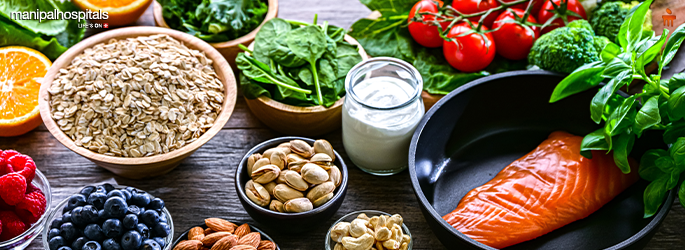
- Leafy Greens: Spinach and kale are packed with vitamins, minerals, and antioxidants without raising blood sugar.
- Fatty Fish: Salmon, mackerel, and sardines provide omega-3 fatty acids that promote heart health.
- Whole Grains: Quinoa, brown rice, and oats offer complex carbohydrates digested slowly to prevent rapid glucose spikes.
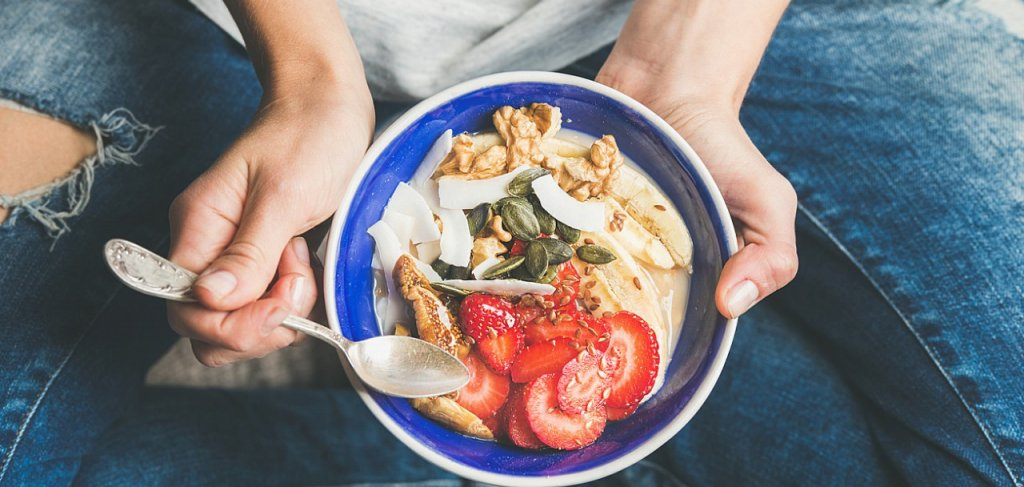
- Berries: Blueberries, strawberries, and raspberries are high in antioxidants with a low glycemic impact.
- Nuts and Seeds: Almonds, chia seeds, and flaxseeds deliver healthy fats and fiber to promote satiety and stability.
- Legumes: Beans, lentils, and chickpeas offer sustained energy through high fiber and protein content.
- Fruits: Citrus fruits (oranges, lemons, grapefruits), apples, pears, and cherries provide fiber and vitamins with a low glycemic load.
What Foods to Avoid in Diabetes?
The Focus: Items to limit or eliminate for stable blood sugar.
To maintain effective blood sugar management, avoid or strictly limit:
- Sugary beverages
- Refined carbohydrates (white bread, pastries, processed snacks)
- Alcohol and smoking
- Fried foods
- Trans fats found in processed snacks and baked goods
- Sugary desserts (cakes, cookies, candies)
Frequently Asked Questions
1. Can diabetics eat fruits? Yes, but choose low-glycemic fruits like berries, apples, and citrus fruits. Pair them with a protein or fat source to prevent sugar spikes.
2. What carbs are safe for diabetics? Whole grains like quinoa, oats, and brown rice are excellent choices. Avoid refined carbohydrates like white bread and sugary cereals.
3. Are there any drinks diabetics should avoid? Avoid sugary drinks like soda, sweetened tea, and fruit juices. Stick to water, herbal teas, or unsweetened coffee.
4. Is it safe for diabetics to eat dairy products? Yes, opt for low-fat or unsweetened options like plain Greek yogurt, cottage cheese, or unsweetened almond milk.
5. How can I control portion sizes as a diabetic? Utilize the plate method: fill half your plate with non-starchy vegetables, a quarter with lean protein, and a quarter with whole grains or starchy vegetables.
Conclusion
A diabetic-friendly meal plan involves effective strategies ranging from weight management to the plate approach. Incorporating the right nutrient-dense foods while avoiding processed sugars serves as a powerful foundation for managing diabetes. If you remain unsure, consult endocrinology diabetology doctors and dietitians for personalized treatment plans.
Also Read : Tandoori Salmon