If you have ever wanted to try making your own fresh cheese at home, this homemade ricotta recipe is the perfect place to start. In just under an hour, using only three humble pantry staples—whole milk, salt, and lemon juice—you can create a creamy, luxurious cheese that far surpasses anything you can buy in a plastic tub at the store.
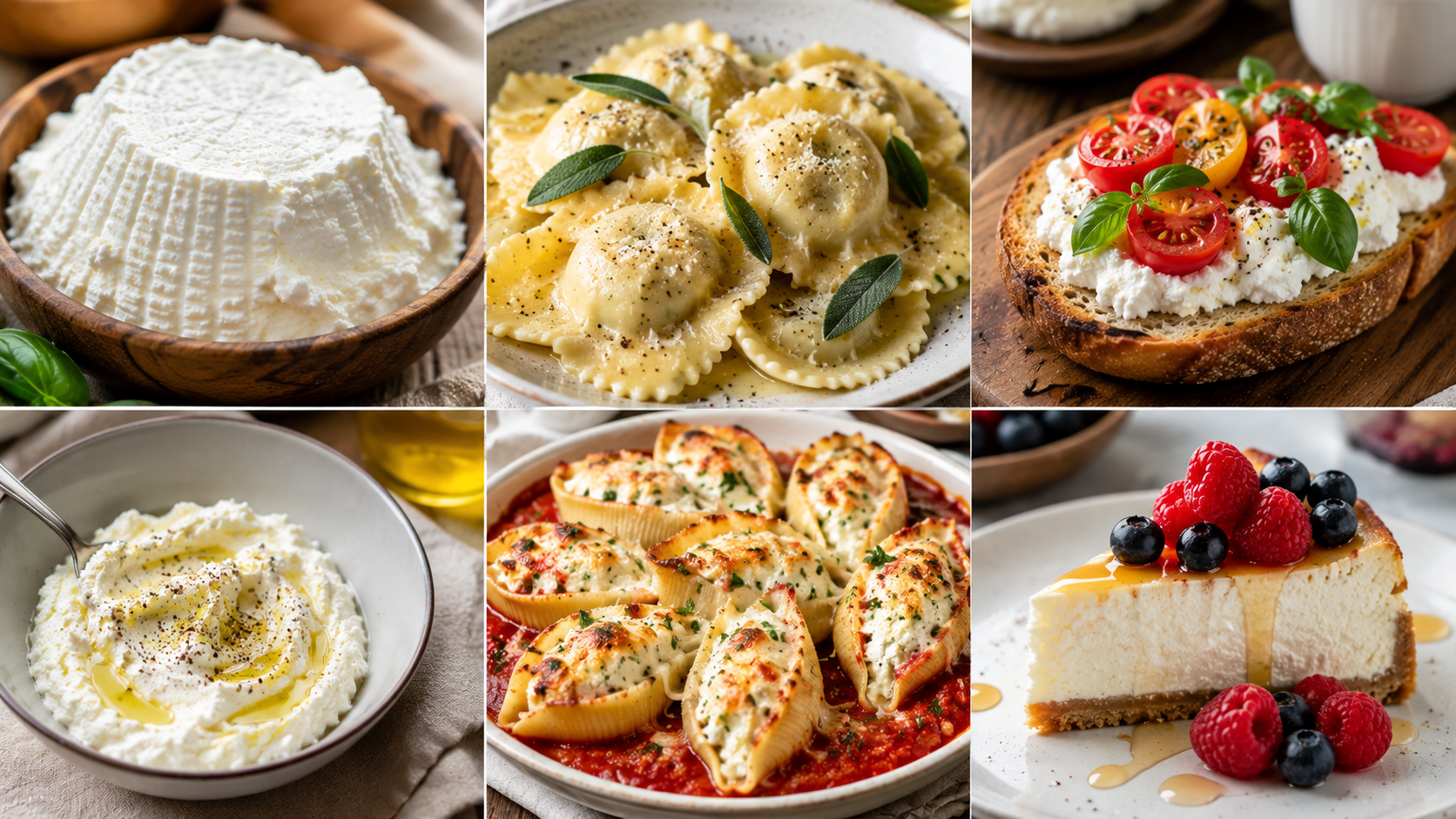
The beauty of fresh ricotta lies in its versatility. Its mild, milky flavor and fluffy texture lend themselves perfectly to sweet treats like cannoli, cheesecake, or fruit-topped parfaits. On the savory side, it is an absolute essential for making stuffed shells, lasagna, or simply spreading over a toasted baguette with a drizzle of honey. Once you taste how easy and economical it is to make from scratch, you will never look back!
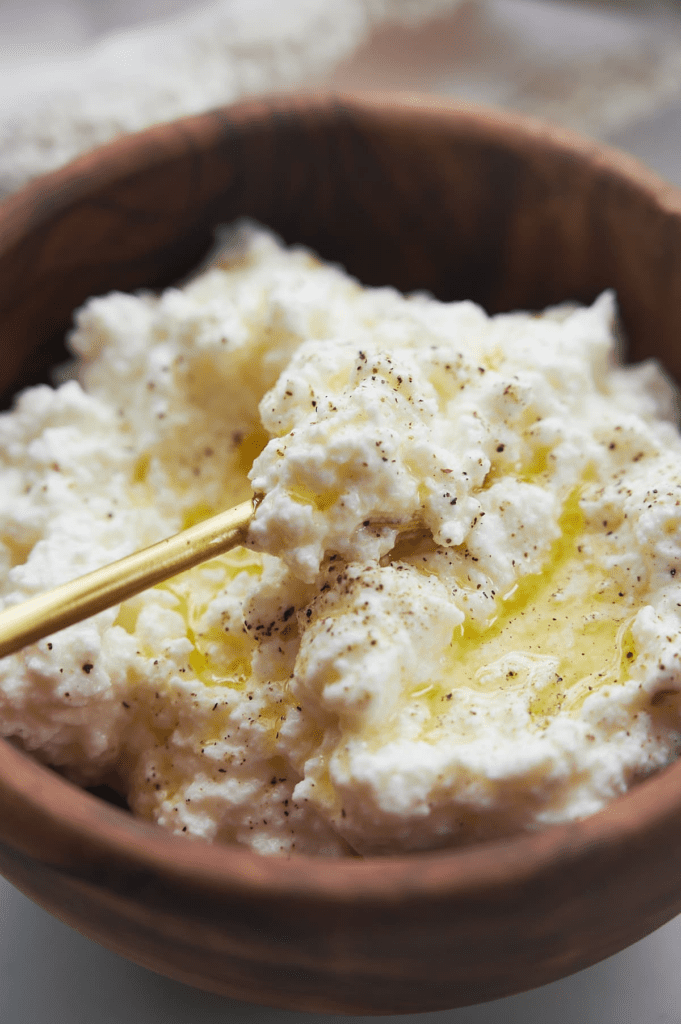
Pro-Tips for Success
To ensure your curds separate perfectly and your texture is consistently creamy, keep these crucial kitchen tips in mind:
- Check Your Labels: This is the most important step! You cannot use ultra-pasteurized milk to make ricotta; the high heat process alters the proteins, preventing the curds from forming. Always check the carton to ensure it is standard pasteurized whole milk (3.25%).
- Don’t Rush the Heat: Use a heavy-bottomed saucepan to prevent scorching and heat the milk slowly over medium heat. It usually takes about 20 minutes to reach the 185°F (85°C) mark. If you do not have a thermometer, look for lots of steam, small bubbles forming near the edges of the pot, and the appearance of a slight film on the surface of the milk.
- The Acid Choice: While lemon juice is preferred for sweet recipes due to its bright, clean acidity, you can substitute an equal amount of white vinegar for savory applications like pizza or pasta fillings. Avoid Meyer lemons, as they lack the necessary acidity to properly curdle the milk.
Delicious Ways to Use Fresh Ricotta
Once you have strained your fresh batch, try incorporating it into these Italian-inspired dishes:
- Sweet Breakfasts: Use your ricotta to make light, fluffy lemon ricotta pancakes or a decadent ricotta chocolate tart.
- Savory Appetizers: Keep it simple by serving the ricotta on a platter with Medjool dates and balsamic glaze, or bake it into an asparagus ricotta tart.
- Don’t Waste the Whey: After straining your cheese, you will be left with a yellowish liquid known as whey. Do not throw it away! It is packed with flavor and acts as a brilliant liquid base for homemade pizza dough, pasta water, or even hearty vegetable soups.
Also Read : Milanesa Napolitana Recipe

Creamy Homemade Ricotta Cheese
5
servings10
minutes25
minutes280
kcalIngredients
8 cups (2 liters) whole milk (must be standard pasteurized, not ultra-pasteurized)
1/2 teaspoon salt
3 tablespoons fresh lemon juice (or white vinegar)
Directions
- Prep the Station: Line a large colander with a large piece of lightly dampened cheesecloth that has been folded over itself 3–4 times. Place the colander over a large bowl to catch the liquid.
- Heat the Milk: In a large heavy-based saucepan, combine the whole milk and salt. Heat over medium heat, stirring occasionally with a wooden spoon to prevent scorching.
- Target Temperature: Heat the milk until it reaches 185°F (85°C). If you don’t have a thermometer, look for the milk to be steaming heavily with small bubbles forming around the edges and a slight film on the surface. This should take about 20 minutes.
- Curdle: Lower the heat to low. Add the lemon juice (or vinegar). Slowly agitate the mixture for about 2 minutes; you will notice the soft white curds separating from the yellowish liquid (whey).
- Rest: Remove the pot from the heat, cover it, and let it stand undisturbed for about 20 minutes.
- Drain: Carefully ladle the curds into your prepared cheesecloth-lined colander.
- Choose Your Texture: For a creamier consistency (ideal for spreading on toast), let the ricotta drain for only 3–5 minutes. For a drier, firmer consistency (better for cheesecake or stuffed pasta), let it drain for up to 20 minutes.
- Serve: Use your fresh ricotta immediately or store it in an airtight container in the refrigerator for up to 3 days.
Notes
- Storage: Fresh ricotta should be used within 3 days. While you can freeze it for up to 3 months, note that the texture will become crumbly upon thawing. It is best to use previously frozen ricotta only for cooked or baked recipes where it will be mixed with other ingredients.
- Organic Milk Warning: While organic milk should work, many home cooks report inconsistent results. If you choose to use organic, ensure it is absolutely not ultra-pasteurized.