
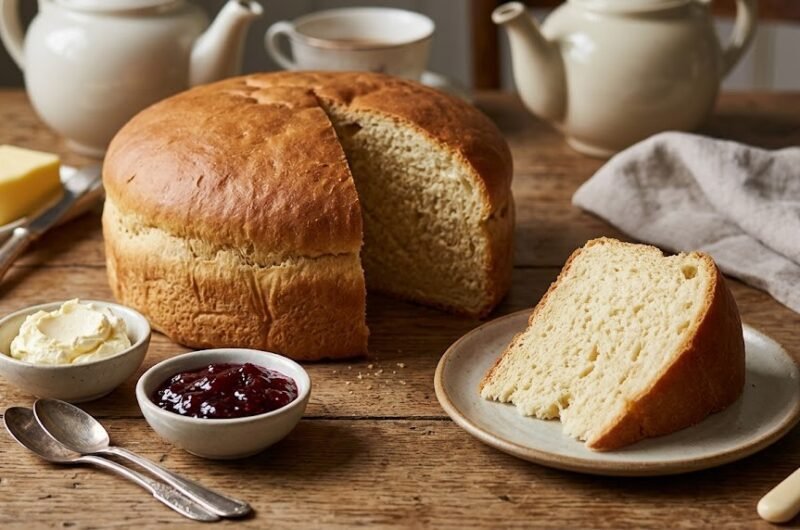
Originating from the historic culinary traditions of England, the Sally Lunn bun or cake is a classic, lightly sweetened treat that beautifully bridges the gap between bread and dessert. With a famously tender crumb and a rich, buttery flavor profile, it is traditionally served warm with butter and honey, making it the perfect accompaniment to a formal afternoon tea or a leisurely morning breakfast.
The Science of Yeast-Leavened Cakes
Unlike most modern cakes that rely on chemical leaveners like baking powder or baking soda for a quick rise, this historic recipe utilizes baker’s yeast. This yields a more complex flavor and a slightly chewy, bread-like texture. Because it undergoes a double-proofing process, the dough develops a deep, buttery richness that reviewers often compare to a cake donut or a rich brioche.
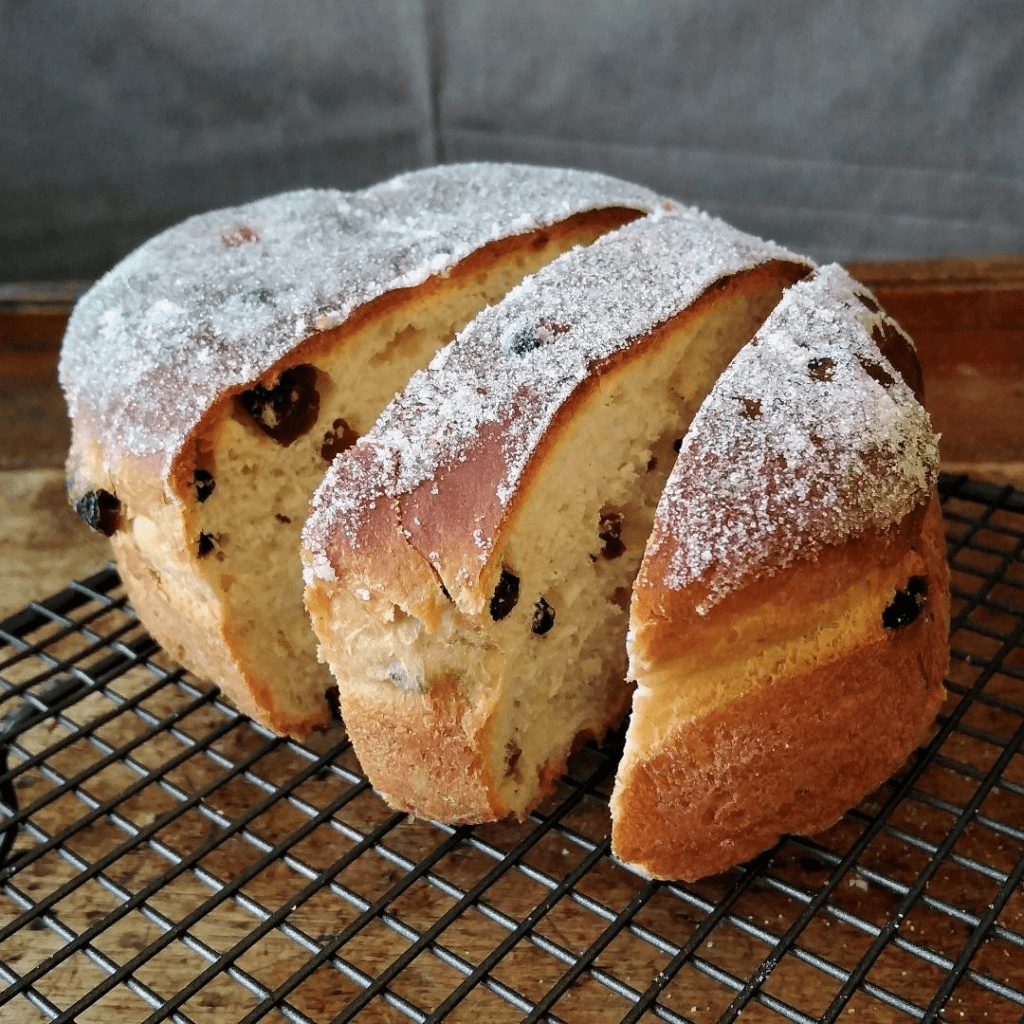
The batter is traditionally baked in a fluted Bundt pan, giving the finished cake a beautiful, elegant shape that requires absolutely no elaborate frosting or decoration to look stunning on the table. It is a timeless, foolproof recipe that looks as wonderful as it tastes.
Also Read : Buckwheat Soba Tiger Salad
Sally Lunn Cake
16
servings10
minutes40
minutes210
kcalIngredients
4 cups all-purpose flour
1/2 cup granulated sugar
1 (0.25-ounce) package instant dry yeast
1/2 teaspoon salt
1 cup warm milk (105°F to 115°F / 40°C to 46°C)
1/2 cup melted butter
3 l arge eggs
Directions
- Mix the Dry Ingredients: Stir together the all-purpose flour, granulated sugar, instant dry yeast, and salt in the bowl of a stand mixer.
- Add the Wet Ingredients: Add the warm milk, melted butter, and eggs to the dry mixture. Mix on a low setting just until the ingredients are completely combined.
- First Rise: Cover the mixing bowl tightly with plastic wrap and let the dough rise in a warm place until it has doubled in size, about 45 minutes to 1 hour.
- Deflate and Transfer: Grease a 10-cup Bundt pan or fluted cake pan thoroughly. Return the bowl to the stand mixer and mix on medium speed to knock the air out of the dough, about 2 to 3 minutes. Pour the deflated batter evenly into the prepared pan.
- Second Rise: Cover the pan again and let the batter rise in a warm place until it has doubled in size once more, about 45 minutes to 1 hour. Towards the end of this rise time, preheat your oven to 350°F (175°C).
- Bake: Bake in the preheated oven until the cake is deeply golden brown, about 40 to 45 minutes.
- Cool and Serve: Let the cake stand in the pan for exactly 5 minutes. Carefully invert it onto a wire rack and cool completely before slicing. Serve warm or at room temperature!
Notes
- No Mixer? No Problem: You do not necessarily need a stand mixer for this recipe! Reviewers note that you can easily mix the ingredients using a sturdy wooden spoon, or knead the dough by hand for the required knocking-back time.
- Proofing Hack: If your kitchen runs cold, utilize your microwave or oven’s proofing function to create a consistently warm environment for the dough to rise properly.
- Serving Suggestions: Because this cake leans closer to a sweet bread, it is exceptional when served warm, split open, and slathered with salted butter, fruit jams, or a drizzle of local honey.
- Pan Preparation: To ensure the delicate cake releases perfectly from the Bundt pan grooves, thoroughly butter and lightly flour the inside of the pan before pouring in the batter.