Managing Polycystic Ovary Syndrome (PCOS) can feel incredibly overwhelming. Hormone imbalances, irregular cycles, and persistent fatigue are exhausting. However, nutrition is a highly effective tool for symptom relief. Specifically, a well-planned vegan diet can work wonders.
Many people with PCOS struggle with insulin resistance and chronic inflammation. Consequently, a diet rich in plant-based whole foods can naturally lower insulin levels. Furthermore, it significantly reduces systemic inflammation. However, simply cutting out animal products is not enough. You must carefully structure your meals to balance your blood sugar. Otherwise, a carbohydrate-heavy vegan diet can actually worsen your symptoms.
Why a Vegan Diet Helps PCOS
First, plant-based diets naturally contain abundant dietary fiber. Fiber slows down digestion. As a result, it prevents sudden blood sugar spikes. In addition, plant foods are packed with antioxidants. These compounds fight the chronic low-grade inflammation that typically drives PCOS symptoms. Finally, avoiding saturated fats from meat and dairy improves insulin sensitivity over time.
Core Principles of a Vegan PCOS Diet
To truly see benefits, you must be strategic. Transitioning to a plant-based diet requires focusing on specific macronutrients.
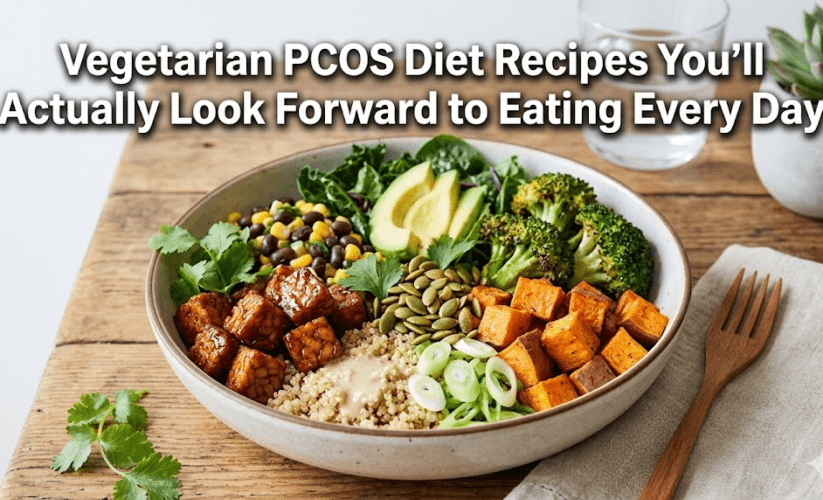
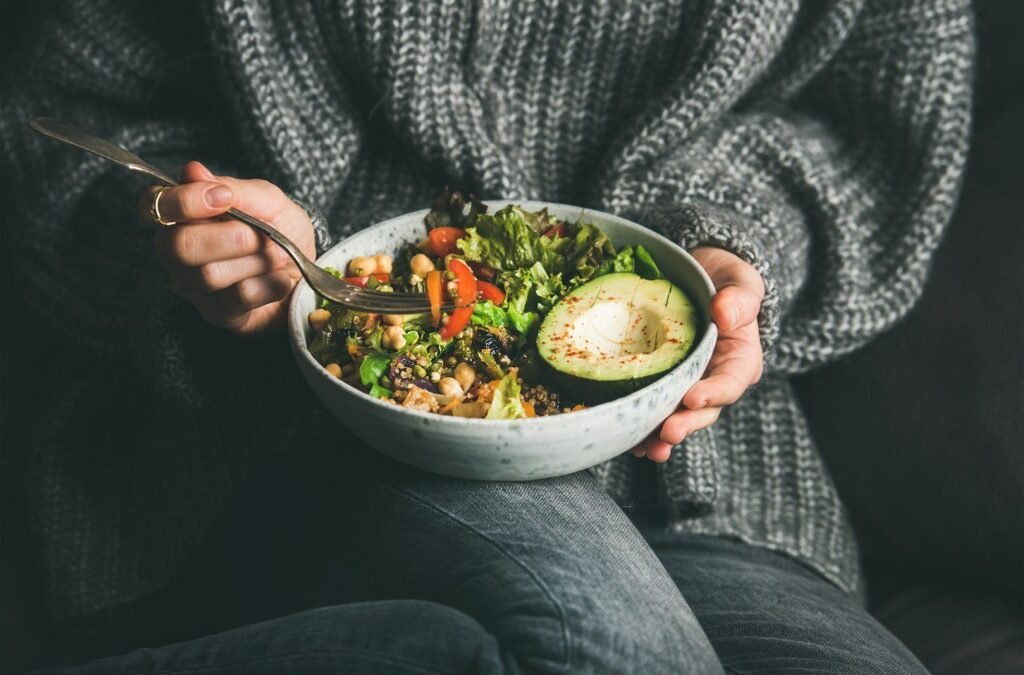
Anchor Your Meals with Protein Protein is absolutely critical for blood sugar control. Therefore, make it the star of every meal. Excellent vegan sources include lentils, chickpeas, hemp seeds, and nutritional yeast. Additionally, do not fear soy. In fact, minimally processed soy foods like tofu, tempeh, and edamame are highly beneficial. They can help lower cholesterol and balance androgen levels.
Prioritize Healthy Fats Healthy fats keep you satiated. Furthermore, they support healthy hormone production. Include plenty of avocados, walnuts, chia seeds, and extra virgin olive oil in your daily routine. Specifically, these fats slow the absorption of glucose into your bloodstream.
Choose Slow-Digesting Carbohydrates Carbohydrates are not your enemy. However, the type of carbohydrate matters immensely. Swap out refined white pasta and white bread. Instead, choose low-glycemic index (GI) options. Excellent choices include quinoa, rolled oats, sweet potatoes, and buckwheat. Consequently, your energy levels will remain stable throughout the day.
The “Junk Food Vegan” Trap
It is incredibly easy to fall into the processed food trap. Today, supermarkets are full of vegan pizzas, cookies, and meat alternatives. Unfortunately, these items are often heavily processed. Furthermore, they are packed with refined flour, hidden sugars, and unhealthy oils. These ingredients rapidly spike your blood sugar. Ultimately, they trigger the exact insulin response you are trying to avoid. Therefore, try to build your diet primarily around whole, unrefined plant foods.
Crucial Supplements to Consider
A plant-based diet is deeply nutritious. However, it lacks a few key micronutrients. To protect your long-term health, consider adding these to your routine:
- Vitamin B12: This is non-negotiable on a vegan diet. It is vital for nerve function and energy.
- Omega-3 Fatty Acids: Choose an algae-based EPA/DHA supplement. This fights inflammation effectively since plant-based ALA (found in walnuts and chia seeds) does not always convert efficiently in the body.
- Vitamin D: Many people with PCOS are deficient. Therefore, supplementing can improve insulin sensitivity and mood.
- Zinc and Iron: Plant-based iron is harder to absorb. Always pair iron-rich foods (like lentils) with Vitamin C (like bell peppers) to boost absorption.
Also Read : No-Bake Easter Cheesecake