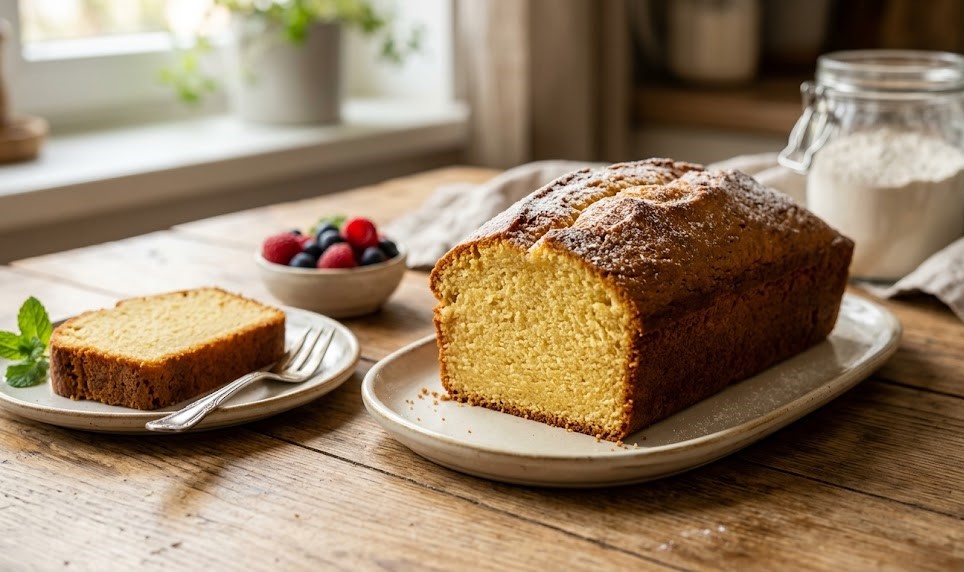
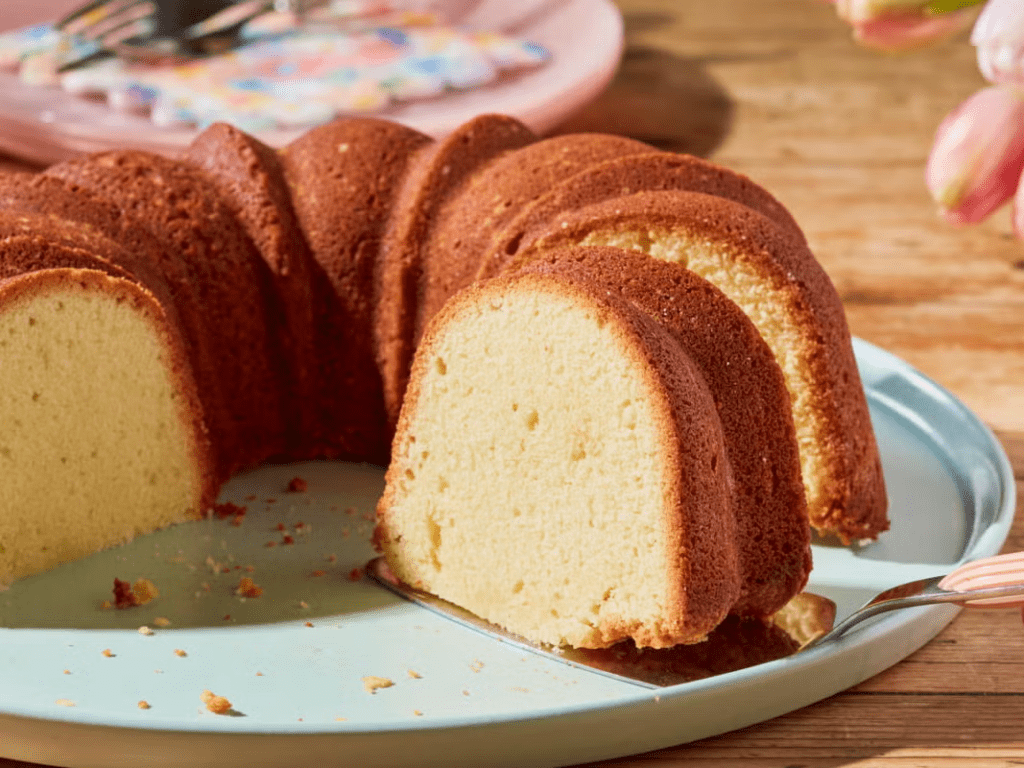
There is a distinct kind of magic in a dessert that requires zero frosting or fancy garnishes to shine. If you are searching for the perfect, buttery treat to pair with a morning cup of coffee or a handful of fresh summer berries, this classic pound cake recipe is exactly what you need.
Incredibly rich, beautifully dense, and meltingly soft, this cake is an absolute showstopper disguised in its simplicity. While traditional pound cakes have a reputation for turning out dry and rubbery, this foolproof version utilizes a secret ingredient to guarantee an incredibly tender, moist crumb every single time.
What Makes a Pound Cake “Dense”?
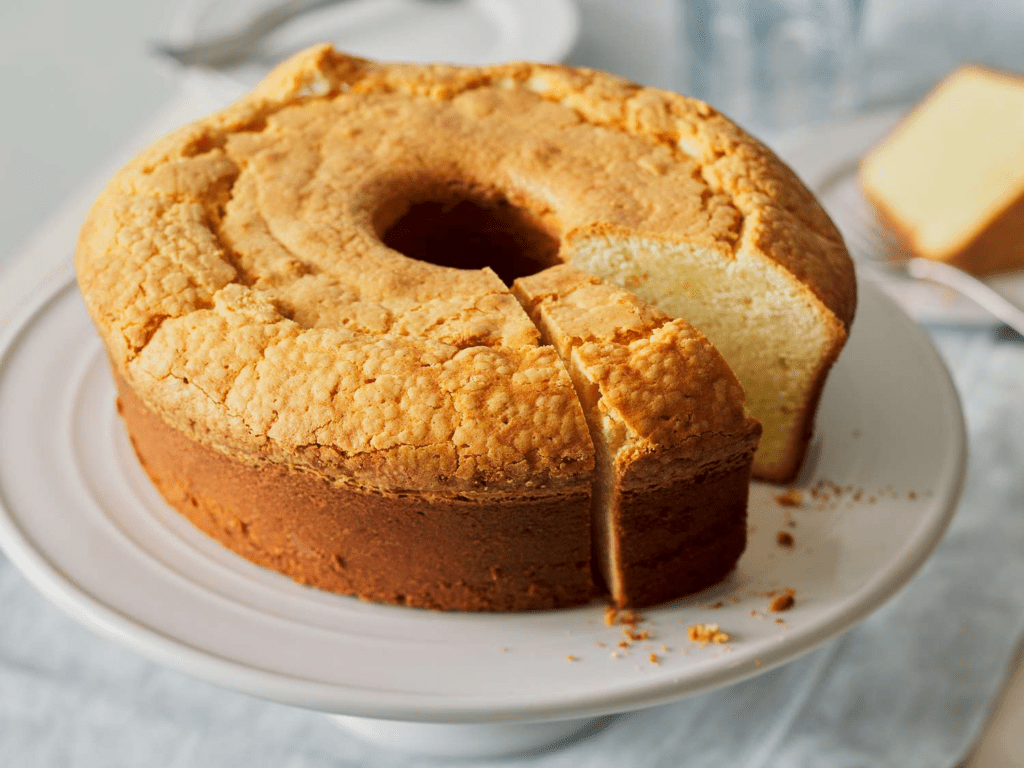
If you are used to baking light, airy sponge cakes, the texture of a pound cake might surprise you. True to its name, a traditional pound cake relies on a much higher ratio of butter, eggs, and sugar to flour than standard cakes. It also uses very little (if any) leavening agents like baking soda or baking powder. This results in a tighter, heavier, and far more decadent crumb structure.
Essential Ingredients for Pound Cake
You only need eight everyday pantry ingredients to pull this dessert together!
- All-Purpose Flour: Standard AP flour provides the perfect structure. You can easily substitute an equal amount (by weight) of cake flour for a slightly softer crumb.
- Unsalted Butter: Your butter must be at proper room temperature! It should be soft enough to leave a slight dent when pressed, but not so soft that it appears greasy. If it is too cold, it will not cream properly.
- Granulated Sugar: Do not reduce the sugar in this recipe! It is essential not only for sweetness but for creating that signature crisp, sugary crust on the outside of the loaf.
- Eggs: You will need four large eggs to bind the batter and provide moisture. Ensure they are at room temperature so they incorporate seamlessly without breaking the emulsion of the butter.
- Baking Powder: While some purists omit leavening entirely, a small amount of baking powder acts as an insurance policy, giving the dense batter just enough lift so it doesn’t turn out chewy.
- Sour Cream: This is the secret ingredient! Full-fat sour cream adds incredible moisture and a very subtle tangy flavor that cuts through the heavy butter.
- Flavorings: A touch of salt and pure vanilla extract round out the profile.
How to Avoid the Dreaded “Gummy Streak”
If you have ever baked a pound cake and sliced into it only to find a dark, dense, glue-like streak running horizontally through the middle, you have encountered the “sad streak.” This happens when the butter and sugar are over-creamed.
If you beat the butter for too long, it traps too much air. In the oven, the cake rises rapidly, but as it cools, the fragile structure collapses, creating a compressed, gummy layer that looks underbaked. To avoid this, mix your butter and sugar just until fluffy, and stop!
How to Bake a Perfect Pound Cake
This batter comes together in a few easy steps.
- Prep the dry goods: In a medium bowl, whisk your flour, salt, and baking powder together so the leavener is evenly distributed.
- Cream the butter: Using a stand mixer (with either a paddle or whisk attachment), beat your room-temperature butter and sugar together for about 4 minutes total until light and fluffy.
- Add the wet ingredients: With the mixer on medium-low, add your room-temperature eggs one at a time, allowing each to fully incorporate before adding the next. Stop and scrape down the sides of the bowl! Next, blend in your sour cream and vanilla extract.
- Incorporate the flour: Add the dry flour mixture to the wet batter. Mix on low speed just until combined. Do not overmix, or the cake will become rubbery.
- Bake: Pour the thick batter into a greased and floured 9×5-inch loaf pan. Bake at 350°F for about 65 minutes.
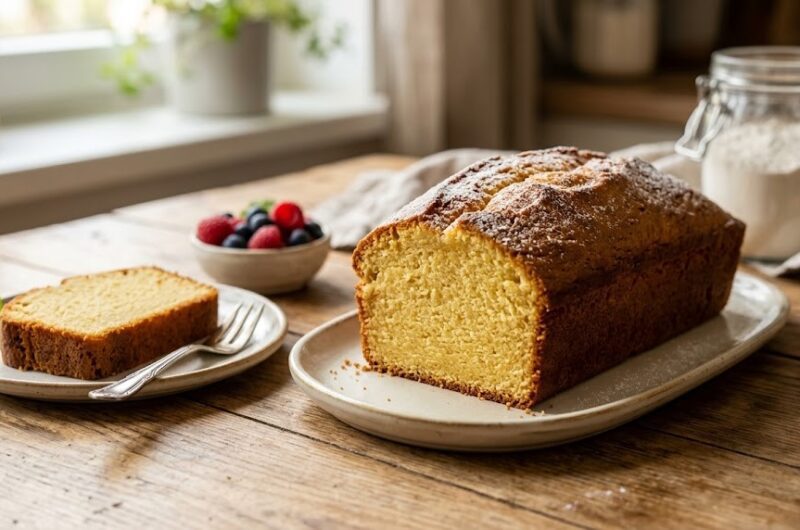
Expert Baking Tip: How to Get that Bakery-Style Crack! Want that beautiful, rustic crack right down the center of your pound cake? Cut two long, thin strips of cold butter (about 1/4-inch thick). Lay them end-to-end directly down the center of the raw batter in the pan before putting it in the oven. The butter melts during baking, preventing the top crust from setting too quickly and forcing the rising batter to push up through the center!
Also Read : Refrigerator Pickles Recipe
The Ultimate Classic Pound Cake Recipe
12
servings10
minutes1
hour5
minutes263
kcalIngredients
1 1/2 cups all-purpose flour (180g)
1/2 tsp fine sea salt
1/2 tsp baking powder
1/2 cup (1 stick) unsalted butter, softened to room temperature (113g)
1 1/2 cups granulated sugar (300g)
4 l arge eggs, room temperature
1/2 cup full-fat sour cream, room temperature (120g)
2 tsp pure vanilla extract
Directions
- Prep the Pan: Preheat your oven to 350°F (175°C). Thoroughly grease and flour a 9×5-inch loaf pan (or an 8 1/2 x 4 1/2-inch pan for a taller loaf).
- Mix Dry Ingredients: In a medium-sized mixing bowl, whisk together the all-purpose flour, salt, and baking powder. Set aside.
- Cream Butter and Sugar: In the bowl of a stand mixer fitted with a whisk or paddle attachment, beat the softened butter on medium speed for 2 minutes. Pour in the granulated sugar and continue to beat for another 2 minutes until the mixture is light, fluffy, and creamy. Scrape down the sides of the bowl with a rubber spatula.
- Add the Eggs: Turn the mixer down to medium-low speed. Add the room-temperature eggs one at a time, waiting until the yellow yolk disappears into the batter before adding the next one. Scrape down the bowl again to ensure everything is evenly mixed.
- Add Flavor and Moisture: Pour in the room-temperature sour cream and the vanilla extract. Mix just until fully incorporated.
- Combine Wet and Dry: Pour the dry flour mixture into the wet batter. Mix on the lowest speed just until the flour disappears. Remove the bowl from the mixer and use your spatula to gently fold the batter a few times by hand, ensuring there are no pockets of unmixed flour or butter at the bottom.
- Bake: Transfer the thick batter into your prepared loaf pan, smoothing the top into an even layer. Bake in the preheated oven for approximately 65 minutes. (Check it at 50 minutes; if the top is browning too quickly, tent it loosely with a piece of aluminum foil).
- Test for Doneness: The cake is done when a long wooden skewer inserted directly into the center crack comes out clean or with just a few moist crumbs attached.
- Cool: Let the cake cool in the pan for exactly 10 minutes. Then, turn it out onto a wire cooling rack to cool completely before slicing. (Leaving it in the pan too long will trap steam and ruin your crispy sugar crust!)
Notes
- Room Temperature is Mandatory: If you forget to take your eggs out of the fridge, place them (still in their shells) into a bowl of warm tap water for 5-10 minutes before using.
- Sour Cream Substitute: If you do not have sour cream, you can substitute an equal amount of plain, full-fat Greek yogurt (at least 2% or 5% milkfat).
- Storage: Wrap leftover slices tightly in plastic wrap or store the loaf in an airtight container at room temperature for up to 5 days.
- Freezing: This cake freezes beautifully! Wrap the fully cooled loaf in plastic wrap, then heavy-duty aluminum foil, and freeze for up to 3 months. Thaw at room temperature.